Increase Recycling Yields with a Plastic Film Squeezer Dryer
Wet plastic film is a major hurdle for recycling plants. After washing, thin film holds onto water like a thick sponge. This trapped moisture ruins the quality of plastic pellets and slows down your entire production line. A plastic film squeezer dryer solves this by forcing water out through intense pressure and heat. Getting moisture levels below 2% changes how your entire line performs.
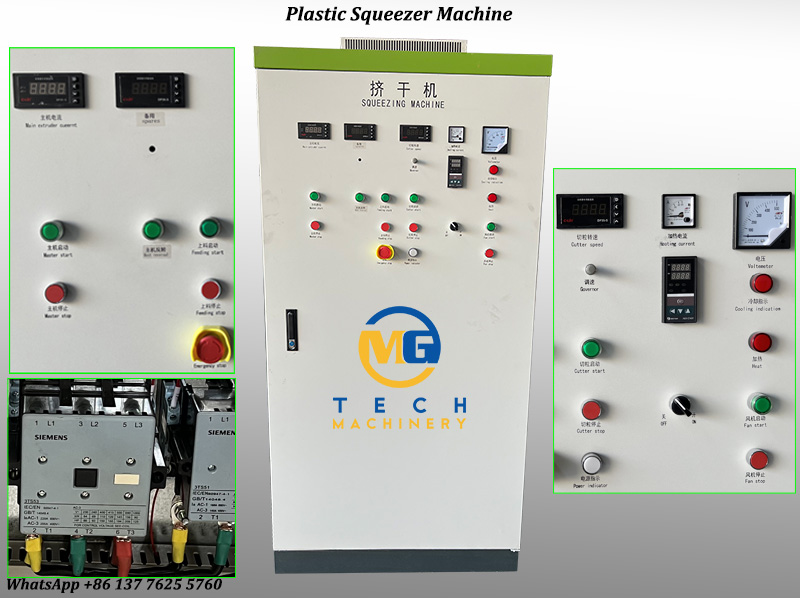
Enhance Recycling Efficiency with a Plastic Film Squeezer Dryer
Removing water from film is difficult because the material has a large surface area. A plastic film squeezer dryer addresses this through mechanical force. This technology is the most effective way to dry film without using huge amounts of energy.
The Core Technology: How Plastic Film Squeezer Dryers Work
The process starts with mechanical pressing. As the wet film enters the chamber, a heavy-duty screw moves it toward a restricted outlet. This action compresses the film, forcing the bulk of the water out through screens.
After the initial press, the material moves through a zone that adds centrifugal force. This spinning action pulls remaining moisture away from the plastic surface.
The machine also generates heat. As the plastic rubs against itself and the machine walls under pressure, the friction creates heat. This warmth thins the film and loosens any remaining water droplets or sticky contaminants. Some advanced units add secondary heating elements to ensure the output reaches a very low moisture percentage.
Quantifiable Improvements in Recycling Throughput
A squeezer dryer changes your throughput numbers quickly. When the material is dry, it flows through your downstream equipment much better. You will see less jamming in your extruders.
Target moisture levels usually drop below 1% to 2% with this equipment. This level of dryness is ideal for pelletizing. Because the material is dry, you can run your extruder faster.
You also reduce material loss. When material is too wet, it pops and degrades during the melting process. Drier material means more high-quality plastic stays in your final product instead of becoming waste.
Case Studies: Real-World Successes in Plastic Film Recycling
One facility processing post-consumer packaging film struggled with moisture levels above 10%. They installed a squeezer dryer and immediately saw a 15% increase in usable output. The dryer also allowed them to mix in more low-grade film without compromising their final pellet quality.
Another plant focused on agricultural film faced extreme contamination. Their film was covered in dirt and water. The squeezer dryer acted as both a dewatering unit and a final friction washer. They were able to turn previously rejected farm plastic into a salable product for pipe manufacturers.
Maximize Recycled Plastic Quality using a Plastic Film Squeezer Dryer
Quality is the biggest factor in the price you get for your recycled plastic. Clean, dry material is worth more to buyers. A squeezer dryer is the primary tool to achieve this level of quality.
Removing Contaminants for Purer Pellets
The squeezing action separates more than just water. It also helps push out dirt, paper labels, and small food particles that get stuck in the film during the washing phase. This pre-treatment step makes your sorting line more effective.
Consistent material leads to a stable Melt Flow Index (MFI). If your material is inconsistent, your buyers will reject your pellets. By removing the varied moisture and contamination, you produce a predictable, high-value product.
Achieving Superior Material Properties
Lower moisture content protects the plastic during processing. Moisture causes a reaction called hydrolysis when plastic is melted. This reaction breaks the plastic chains and weakens the material.
By keeping moisture low, you preserve the strength of the polymer. Your final product will have better tensile strength and impact resistance. This makes it suitable for demanding applications instead of just low-end fillers.
Aesthetics also improve. Trapped water causes voids and bubbles in recycled sheets. Without these defects, your plastic has a uniform color and look.
Expert Insights: Voices from the Recycling Industry
A polymer scientist notes that moisture is the enemy of extrusion. He explains that keeping moisture below 2% is required to prevent molecular weight loss. Without this level of dryness, the resulting plastic is often too weak for anything but the simplest molded parts.
A manager of a large film recycling plant says the squeezer dryer was his best investment. He notes that before buying the unit, he had to sell his pellets at a deep discount because of quality issues. Now, he supplies high-grade plastic to a packaging company that pays a premium for his material.
Optimize Energy Consumption and Operational Costs
Operating a recycling plant is expensive. Equipment that saves energy improves your bottom line immediately. A squeezer dryer helps manage these costs well.
Energy Efficiency Gains in the Recycling Loop
Drying plastic with heat alone consumes a lot of electricity. A squeezer dryer uses mechanical energy, which is much cheaper and more effective for removing bulk water. You save electricity because the dryer does the heavy lifting before the material hits the thermal drying stage.
The equipment also reduces the energy load on your downstream extruders. Dry material melts faster and requires less heat. This makes your whole line run with better energy efficiency.
Cost-Benefit Analysis for Recycling Operations
Automated dewatering lowers your labor costs. You no longer need extra steps or manual handling to prepare the film for the next phase.
Reducing moisture increases your yield. Every ton of plastic you sell instead of sending to a landfill adds to your revenue. You also save on expensive waste disposal fees.
The price gap between contaminated pellets and clean, dry pellets is significant. The increased revenue from a higher-quality product often pays for the squeezer dryer in less than two years.
Actionable Tips for Energy Savings
Regular maintenance is the key to energy efficiency. Check your screens and wear parts often. Worn parts do not squeeze effectively, which forces the motor to work harder.
Optimize your feed rates. Feeding the machine at the right speed keeps the friction and pressure constant. If the machine is underfed, it wastes energy. If it is overfed, it will jam.
Integrate the machine correctly. Put the squeezer dryer as close as possible to the washer to avoid material buildup. A short, direct path reduces the energy needed to move the material.
Versatile Applications Across Diverse Plastic Film Sectors
Flexibility is a major advantage of modern squeezer dryers. They are not limited to one type of plastic or one type of waste stream.
Handling a Wide Range of Plastic Film Types
These machines handle various materials well. They work effectively on Low-Density Polyethylene (LDPE) and Linear Low-Density Polyethylene (LLDPE) from shipping bags. High-Density Polyethylene (HDPE) film from industrial applications is also a great candidate.
Polypropylene (PP) film used in textiles and snacks is another common material for this technology. Because the design is adjustable, you can tune the pressure and residence time to match the density of the film you are running.
Pre-treatment for Various Recycling Processes
A squeezer dryer is a key piece in many line setups. In an agglomeration line, it is essential for preparing the material. Some modern systems feed the material directly from the squeezer dryer into a pelletizer.
It is also vital for chemical recycling. Advanced recycling methods often require very clean, dry feedstock. The squeezer dryer ensures your material meets these strict standards.
Industry-Specific Use Cases
Flexible packaging recycling is a major growth area. Multilayer food packaging contains a mix of plastics that are hard to dry. The squeezer dryer manages this mixture by force, regardless of the different material properties.
Industrial waste management facilities use these machines to clean up film scrap from manufacturing and logistics. Large volumes of clean plastic are easy to process with this equipment.
Municipal solid waste facilities use them to clean up mixed waste streams. Even with diverse types of film, the squeezer dryer improves the quality of the sorting output.
Final Thoughts
The plastic film squeezer dryer is a necessary tool for modern recycling. It addresses the core issue of moisture in film waste, turning a problem into a valuable resource. Businesses that use this technology produce higher-quality pellets, lower their energy bills, and increase their overall profits.
Choosing this equipment shows a commitment to better recycling results. As the demand for high-grade recycled plastic rises, being able to provide clean, dry material will make your operation stand out. This machine is an investment in both your company's growth and a more sustainable future for plastic waste management.


Excellent insights very informative and well-presented. IBC Tank Blow Moulding Machine
ReplyDelete